Widest-Slot Toasters: What “Extra-Wide” Really Means
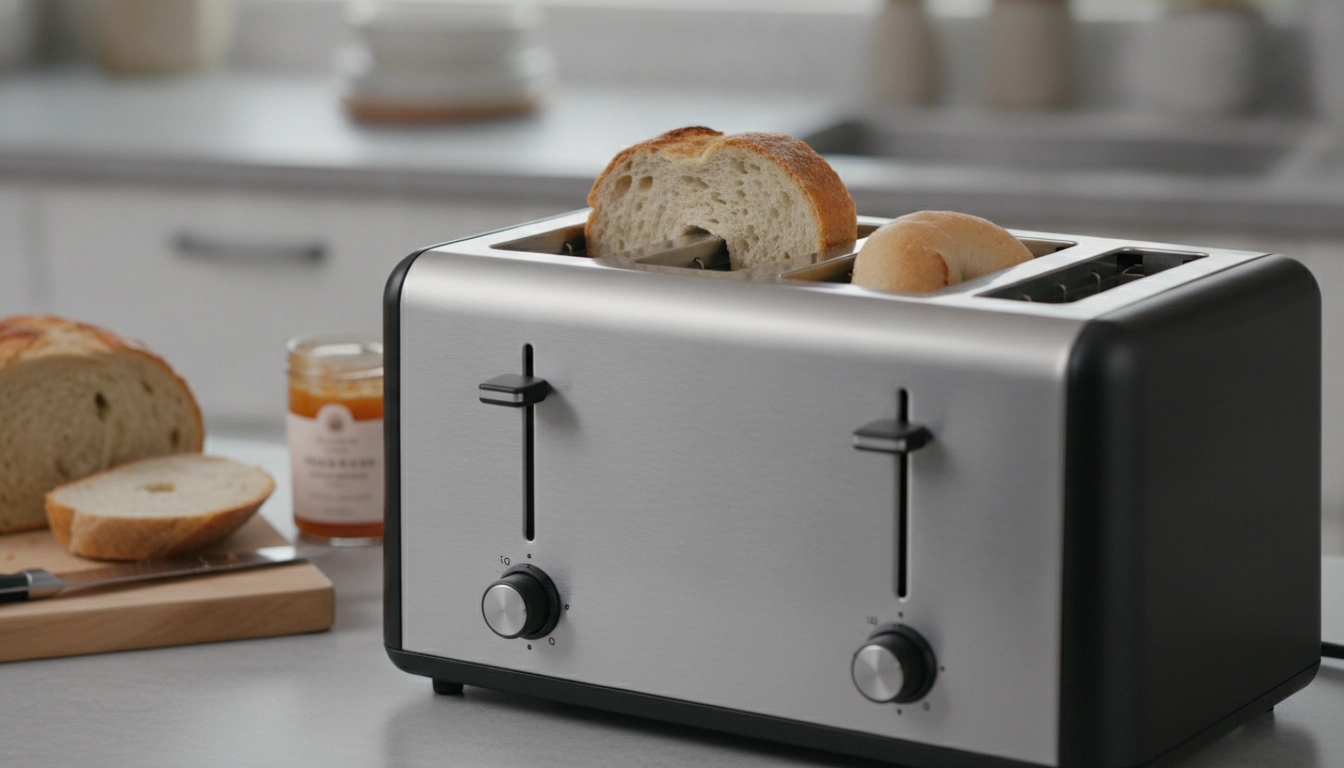
Which toaster has the widest slot?
Toasters with the widest slots are usually labeled “extra-wide” or “artisan bread” toasters, and they typically offer slots around 1.5 inches wide (sometimes a bit more). That added width is what makes the difference for thick bagel halves, Texas toast, and chunky slices of sourdough that won’t fit comfortably in standard 1.25-inch slots.
Because slot measurements and real-world fit can vary by design (the interior “shoulders” and heating cage matter as much as the published width), the safest way to pick the widest-slot option is to choose a model that’s specifically tested and compared. For the current widest-slot recommendation and the exact measurements, see the full guide here: https://coolgemcorner.shop/which-toaster-has-the-widest-slot/.
What to look for in a truly wide-slot toaster
Start with a published slot width of 1.5 inches or greater, then check for features that improve fit and toasting: a high-lift lever (so shorter items are easy to grab), a bagel mode (to toast cut sides more intensely), and a “lift and look” or quick-check function to avoid over-browning thicker bread.
Wide slots vs. long slots: which matters more?
Wide slots help with thickness; long slots help with length. If you toast artisan batards sliced into wide pieces, width is the limiting factor. If you toast oblong slices (like homemade bread), a long-slot toaster may be the better match even if the width is only moderately “wide.”
A quick measuring tip before you buy
Measure your thickest go-to bread at its widest point. If it’s close to 1.5 inches, prioritize the widest-slot toaster you can find; if it’s under that, a standard “wide slot” model may be enough, and you can focus on browning control and consistency.
FAQ
Do toaster slot width measurements include the metal guides inside the slot?
Not always. Some brands list the maximum opening at the top, but the internal guides can narrow the usable space, so thicker bread may still feel tight even if the spec looks wide.










Leave a comment